




LAUGFS Group IT rolled out its green initiatives few years back to help minimize our carbon footprint. With this, a number of IT solutions, best practices and programs have been developed in order to integrate sustainable practices into the Group IT operations. This has enabled them to make significant changes with measurable results. Migration to Cloud, for instance, has enabled our IT team to reduce our carbon footprint by 79%, while virtualization has allowed them to save over 52,000kg of CO2 emissions.
The e-waste management program is another such initiative implemented across the group. This year LAUGFS IT safely disposed of computers, monitors, laptops as well as printers that have passed their useful life, which were collected from across the group. This has enabled them to reduce 4,447 lbs of carbon emissions from entering the atmosphere. This initiative has also helped companies such as LAUGFS Eco Sri to obtain the ISO 14001 certification, enabling them to reduce their carbon footprint.

What is E-Waste Management?
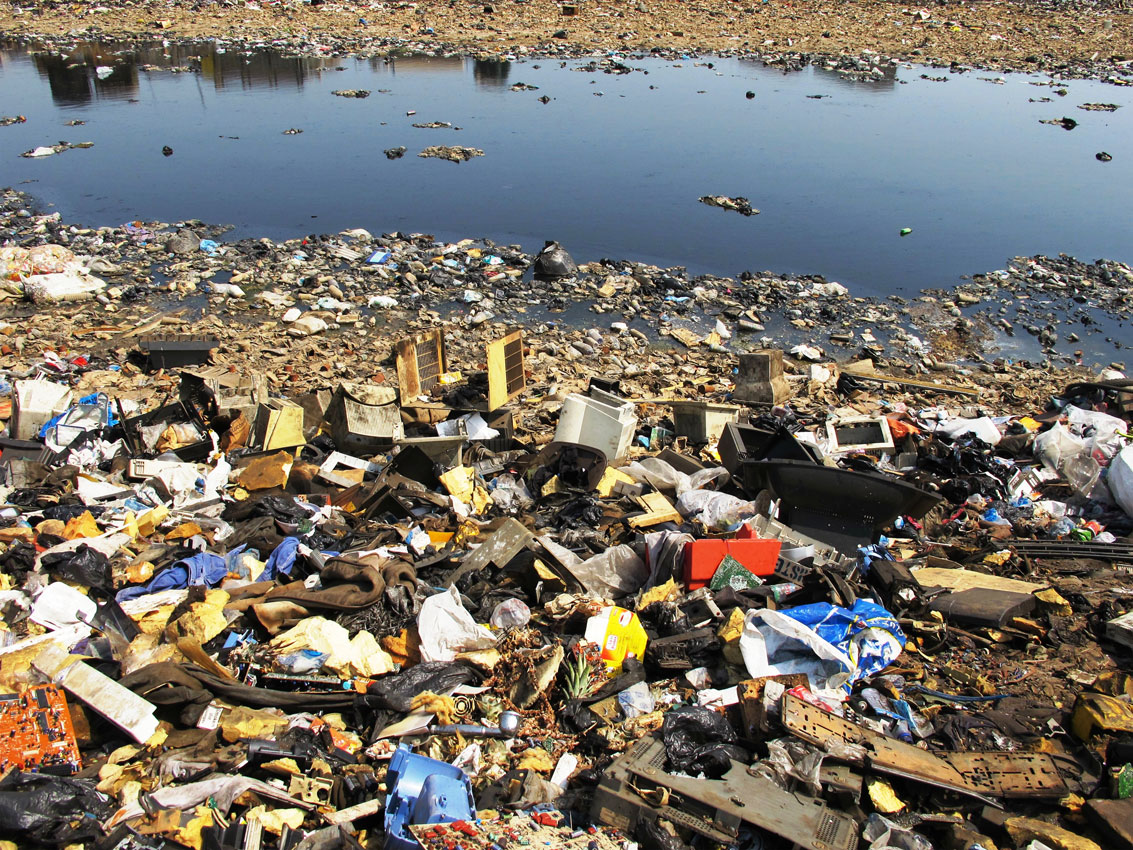
Electronic waste or e-waste are electrical or electronic devices, such as computers, mobile phones and televisions that are at the end of their useful life. With today’s rapid technological developments and increasing dependence on advance technology, the amount of e-waste discarded is also growing at a significant rate. According to estimates, more than 100 million computers are thrown away in the US alone, with less than 20% being recycled properly.
These e-waste material can contain heavy metals such as cadmium, lead, mercury, and chromium that can contaminate the ecosystem. For example, there could be more than 6% lead by weight in a typical computer monitor, which could be toxic when absorbed into the human body. These can be bio-accumulated in fatty tissues, while biomagnification up to food chains also becomes a severe concern due to their toxicity and persistence. Hence, not disposing of e-waste in the proper manner can result in severe environmental and health threats.
E- Waste has been identified as one of the main waste categories to be managed effectively at the 6th meeting of the Conference to the Parties to the Basel Convention (BC) for the Transboundary Movement of the Hazardous Waste. Increasing volumes of e-waste are exported from developed countries to developing countries, which lacks the capacity to manage these in an effective manner.
Quite a few government-licensed e-waste management service providers are now available for proper disposal of e-waste in Sri Lanka. With awareness and education, our contribution as a nation to effectively manage the e-waste disposal process could make a significant impact on our country’s future.

About The Author
